Something is off in a delivery. Which lot is it, where else did that lot go, and what conditions did it actually see on the way here?
Supply chain solutions for food & agri
Verifiable data across your supply chain
Origin, condition, carbon and collateral — four questions, one body of evidence that survives every handover. Customers, auditors and lenders get the same backed answer.
No implementation project to approve first — we start with the data you already have.
Batch record
NL-2026-0847-CQ
- Supplier
- Coöperatie Zuidhoeve
- Origin
- Zeeland, NL
- Certification
- GLOBALG.A.P. · valid
- Last audit
- 14 Aug 2026
- Farm
- Processor
- Packer
- Retailer
Evidence complete — 12 documents, 3 certificates, 1 open action
850+Suppliers connected
60+Organisations served
24Countries in scope
70%Less manual data entry
Our starting point
Data loses its integrity at the handover
A company with one system doesn't have a traceability problem — it has a database. The difficulty starts at the boundary between two organisations, where the same pallet picks up a new identifier, a new date and an unreconciled quantity.
Grower · ERP
- Lot
- 2026-W33-B4
- Quantity
- 480.0 kg
- Date
- 14-08 harvested
- Variety
- Duke
Packer · WMS
- Lot
- NL-22-0847
- Quantity
- 472.6 kg
- Date
- 15-08 received
- Variety
- BLU-DK
The same pallet. Two identifiers, two dates measuring two different events, a 7.4 kg difference nobody has explained — and not one field is wrong inside its own system. Read why we start here.
In the warehouse
The record has to be made where the goods are handled
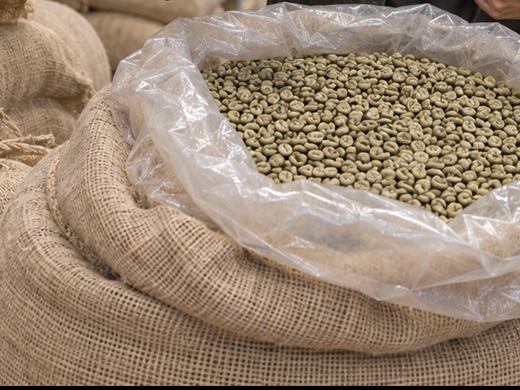
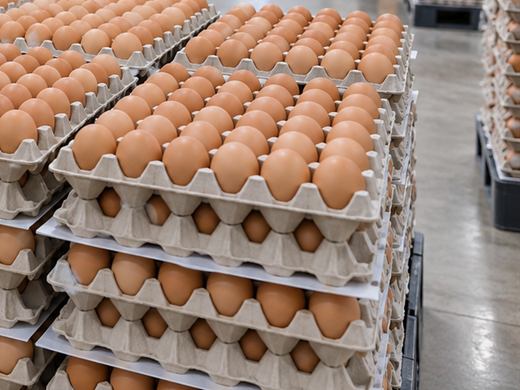
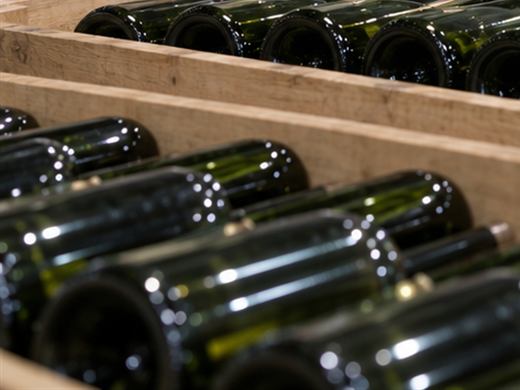
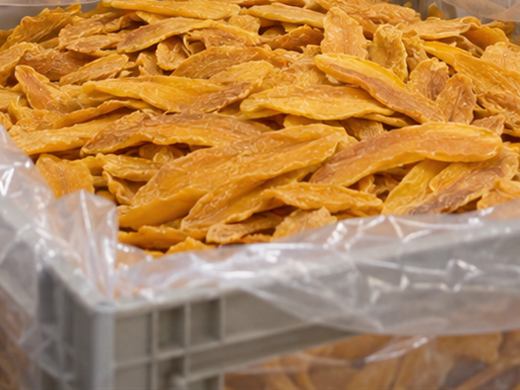
Ambient, chilled or frozen; bulk, bagged or bottled. What changes is the threshold that matters and the paperwork that follows — not whether origin, condition, carbon and value can be evidenced.
Products
Four questions asked of one body of evidence
Not four systems. Take one, or run them together on the same foundation.
Where did it come from?
FoodInsights
Batch-level origin that survives every handover, with supplier dossiers and certificates kept current by the suppliers themselves. Trace forward for recall scope, backward for root cause.
Explore FoodInsightsWhat condition is it in?
Quality Insights
Temperature through the cold chain, CO₂ in controlled-atmosphere storage and moisture content where it decides whether a lot is safe to store — continuously, and bound to the batch it belongs to.
Explore Quality InsightsWhat did it cost the atmosphere?
Carbon Insights
Product footprints built from the primary data your chain already produces, with the measured share of every figure stated openly — so a supplier's real improvement actually reaches your number.
Explore Carbon InsightsWhat is it worth to a lender?
Collateral Insights
Stock that a lender can verify continuously instead of twice a year: existence, title, condition and value, confirmed independently by the warehouse rather than declared by the borrower alone.
Explore Collateral Insights
Where the value lands
Where digitisation and AI add value
Better data is not the goal — it is the means. Every engagement is anchored to one of four outcomes, and to the value drivers your team is actually measured on.
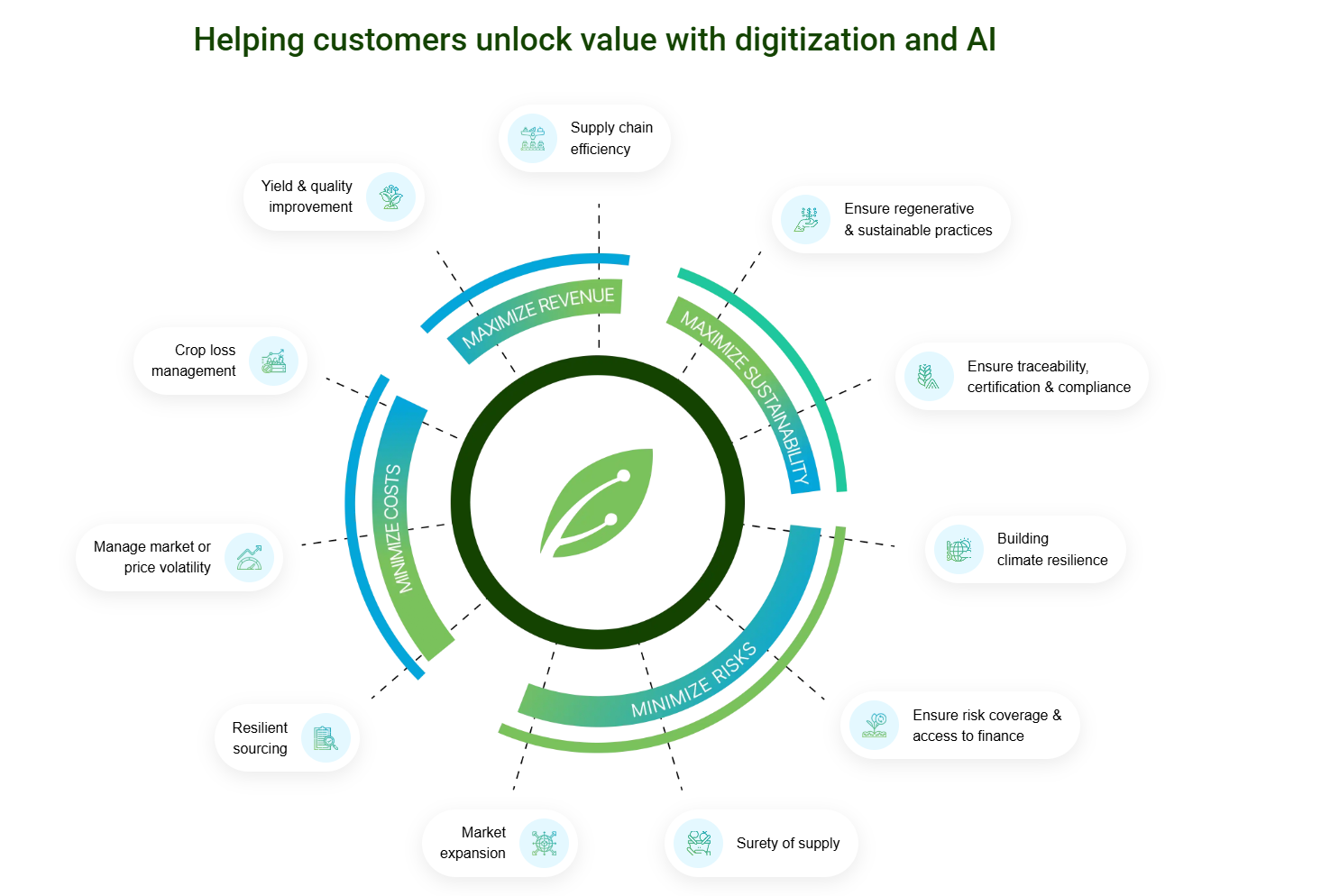
Maximize revenue
- Supply chain efficiency
- Yield & quality improvement
- Market expansion
Maximize sustainability
- Regenerative & sustainable practices
- Traceability, certification & compliance
- Building climate resilience
Minimize risks
- Surety of supply
- Risk coverage & access to finance
- Crop loss management
Minimize costs
- Managing market & price volatility
- Resilient sourcing
Evidence
Evidence that goes further than compliance
Passing an audit is the minimum. Customers, auditors and lenders all need the same thing: a claim you can show.
01
Verified at source
Data is captured where it originates, by the party that holds it, with the document attached. No re-keying, no orphaned claims.
02
Traceable end to end
Every figure on a report links back to the record it came from, and every record carries its own history of changes.
03
Strong enough for a lender
Evidence that can move the terms of a credit facility clears an audit comfortably. The reverse is not true — which is why we built for the harder case.
How it works
Implementation in five steps
There is no year-long implementation programme to approve before you see anything useful.
Import what you have
Existing spreadsheets, ERP exports, logger files and document archives are loaded as they are.
Map your requirements
Your customer, audit and regulatory demands become the rules the system checks against.
Onboard suppliers
Suppliers complete and maintain their own records through a guided portal in their language.
Verify and enrich
Documents are checked, gaps flagged and assigned, sensor and external data joined to the batch.
Report and act
One live overview for QA, procurement, sustainability and finance — and for whoever asks next.
Where it usually starts
The questions people arrive with
A customer asks us to show this shipment met the terms we agreed. Can we answer that this week, from records, rather than by asking four suppliers?
A lender wants to know what stock is where, in what condition, and what the valuation rests on. Can we show it without a site visit?
We reported a figure last year. Which source data, which method and which assumptions sit behind it — and can we still find them?
Questions
Frequently asked questions
Do we have to take all four products?
No. Most customers start with one — usually the one attached to whichever deadline is
closest. They share a foundation, so adding a second later is a configuration
exercise rather than a second implementation, but nothing obliges you to buy ahead of
the need.
How long before we see something useful?
The first overview is built from data you already hold, so you see your own supply
chain reflected back within the first weeks rather than at the end of a project.
Supplier onboarding then runs in waves, starting with the suppliers that carry the
most risk or the most volume.
Will our suppliers actually use it?
Supplier adoption is the make-or-break of any system like this. Suppliers get a
guided portal in their own language, are asked only for what is genuinely required of
them, and can reuse what they have already submitted elsewhere. We onboard them with
you rather than handing you a link and wishing you luck.
Does this replace our ERP or quality system?
No. FoodInsights sits alongside them and connects to them. Your ERP stays the system
of record for transactions; we become the system of record for the evidence about
suppliers, batches, condition and emissions — the part that today lives in mailboxes,
logger exports and spreadsheets.
Who owns our data?
You do. Your data stays yours, is hosted in the EU, and can be exported in full at any
time. Suppliers control what they share with you, and you control what you share
onward with customers, auditors or lenders.
Next step
Start with a 15-minute call
Tell us where your supply chain data hurts most. If we are not the right fit, we will say so on the call — and point you somewhere better.
1
Discovery call — 15 minutesYour situation, your requirements, and whether there is a fit at all.
2
Tailored demoYour suppliers, your requirements, your data — not a generic tour.
3
Pricing & questionsA concrete proposal and a straight answer on cost.